On a metal chimney the cap belongs to the system
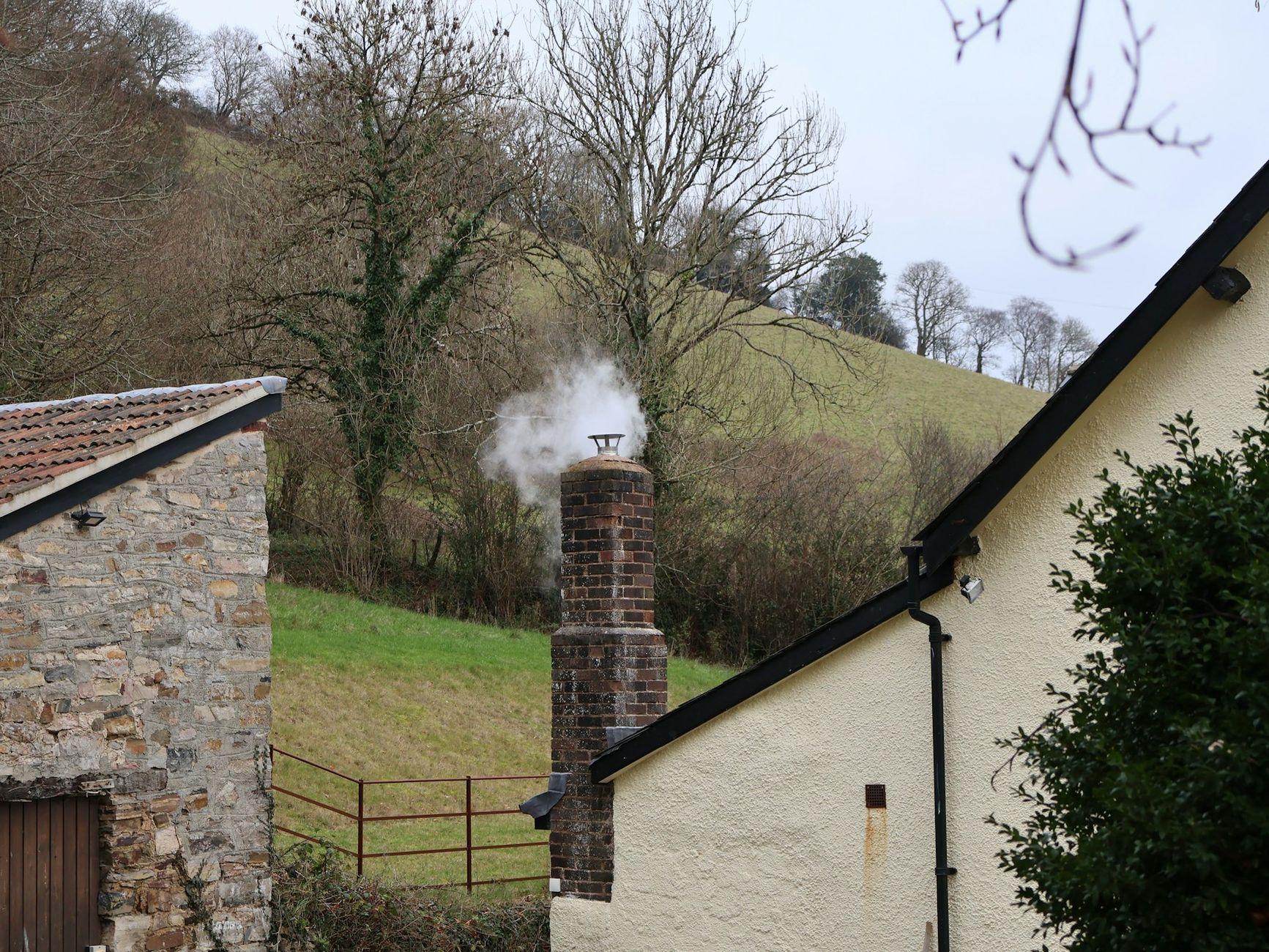
On a brick chimney a cap is an add-on: a screened box clamped over the flue tile. On a factory-built chimney the cap shipped in the same carton as the firebox and the pipe. The maker tested the fireplace with that cap in place, and the listing assumes it is there. That is why a prefab cap is sold by pipe brand and diameter, and why a generic cap from a hardware shelf is a poor match even when it seems to slide on.
In Hawthorne the prefab cap usually stands on a stucco or sided chase on the back slope of the roof, a few feet above the shingles. The ones we replace have lost their tops to wind, rusted open at the seams, or been crushed by a tree limb or a roofer's ladder. Some houses have no cap at all, just open pipe poking through the chase top.
What sets a prefab cap price
A cap fitted by Wheeler Chimney Pros is quoted after we measure. Four things set your price:
- The pipe it has to fit. Factory-built chimneys come in several diameters and wall builds: double wall, triple wall, air cooled, insulated. The cap has to match both the inner and outer pipe so the cooling air paths stay open.
- Whether the maker's cap is still sold. If the original or its listed successor is available, that is what goes on. If the brand is gone, we look for a cap the pipe maker lists as compatible, and the price follows what that turns out to be.
- Screen and wind design. Some caps are a plain rain hood with mesh. Others are built to resist downdrafts on exposed roofs. The model listed for your pipe decides which one you get.
- Getting up there. A single story roof with a low pitch is one job. A two story townhouse with a steep roof needs more setup.
A cap that blew off often took the storm collar with it, and a chase top that rusted under a cap is a separate repair. Both are noted in writing before we start.
What we look at before ordering
The cap is the part you see. Under it are the joints we care about:
- the storm collar that sheds water off the pipe where it passes through the chase top;
- the chase top itself, the sheet metal lid over the framed chase;
- the seal between the pipe and the hole in the chase top;
- the top section of chimney pipe, which can rust or dent when the cap has been gone a while.
If the cap has been missing through a wet winter, rain has gone straight down the pipe into the firebox. We look for rust on the damper and the firebox floor and say whether anything lower down needs work.
Ask for a written price on a cap for your prefab chimney. Tell us whether the old cap is still there, bent or gone, and the maker's name on the firebox plate if you can find it. That is usually enough for us to bring the right cap.
Why a masonry cap is the wrong part
Masonry caps bolt to a flue tile or sit across a crown. A factory-built pipe has neither. Fitted to metal pipe, a masonry cap tends to block the air channels between the pipe walls, or sit loose enough to lift in a Santa Ana wind. Blocked channels let the pipe run hotter than it was tested for, which is the exact thing the listing is written to prevent.
Decorative shrouds follow the same rule. A shroud that hides the cap has to be one the maker lists for that system. We have taken down a few that a framer built on site, and the cap underneath had been cooked.
Caps in fire season
Mesh on a cap matters more here than it looks. Embers travel two ways: out of your chimney toward dry brush, and toward your roof from somebody else's fire on a windy day. A listed cap with sound mesh keeps your own embers in and stops birds and nesting material from blocking the pipe. We also check that the mesh is not clogged with soot, which is the other way a cap fails.
Caps along a townhouse row
In Hawthorne townhouse complexes, several units often share one long roof, each with its own chase and its own cap. The builder usually fitted every one of those caps in the same month, so when one fails the rest are rarely far behind. A board or a manager gets more from having every cap on the building looked at during one visit than from replacing them one by one as they blow off in winter storms. Our page for property managers and HOAs explains how we plan that kind of round.
Brick chimneys on the same street
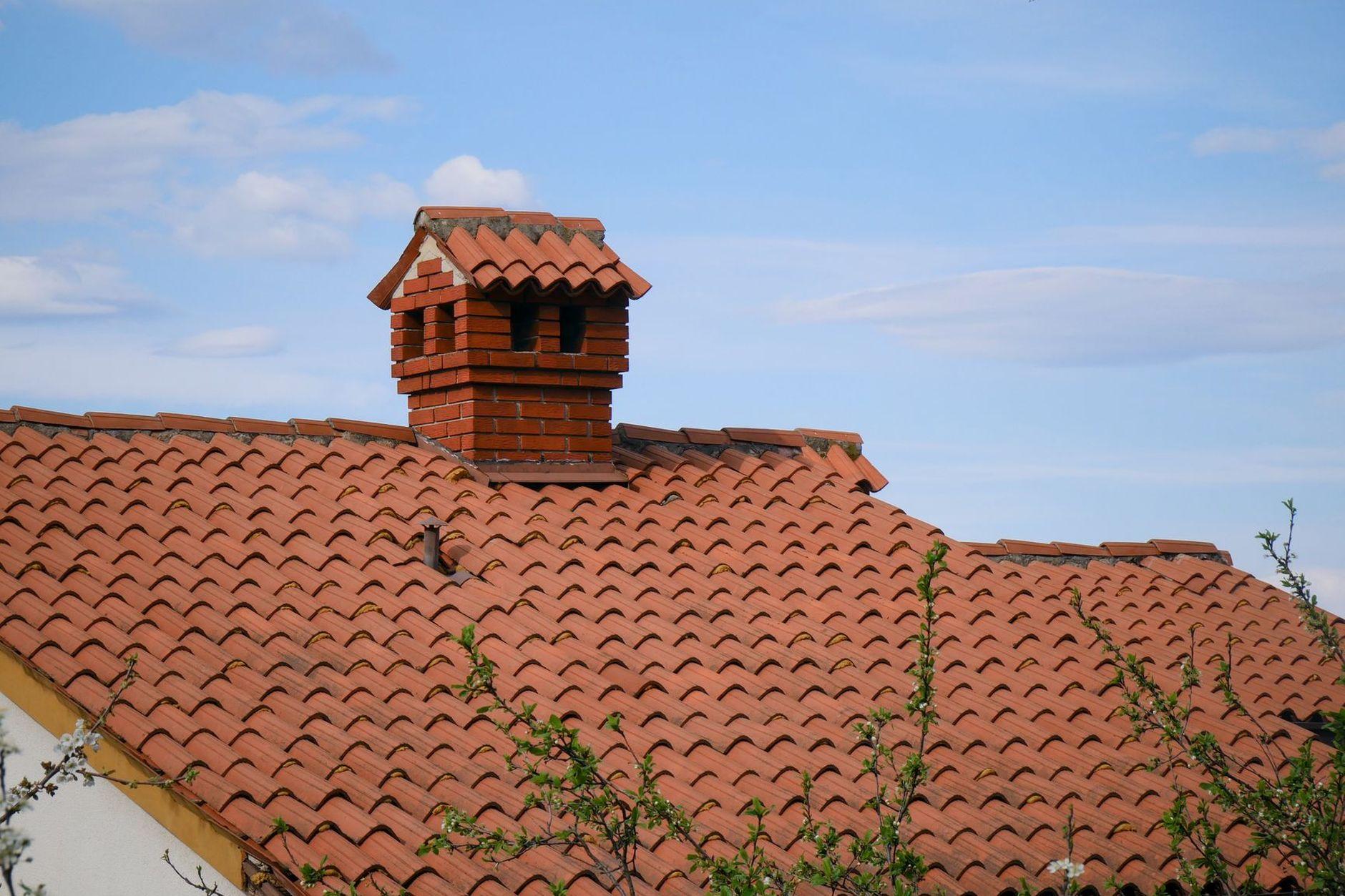
Plenty of Hawthorne houses have brick chimneys, mostly the older ones. Our cap price covers those too, with stainless or copper caps fastened to the tile or spanning the crown. The pricing logic is the same; the parts are not. The chimney cap installation page covers both kinds.
When the cap is not the fix
Sometimes a cap is requested when the real trouble is a leak at the chase. If water appears on a ceiling or wall near the fireplace and the cap looks whole, we go to the chase top and the siding seams first. That work falls under chimney chase cover or chimney leak repair, and the rusted chase top post explains what sets that price. If you are weighing bigger work on the unit itself, see prefab fireplace repair cost.
To get the right cap on your roof, our contact page takes your address and a line on what the top of the chimney looks like today.
Ready to Price the Repair?
Wheeler reads the label on your factory-built fireplace, checks it part by part and quotes the listed replacement in writing. Visits run from Hawthorne through Inglewood, Compton and South Gate.